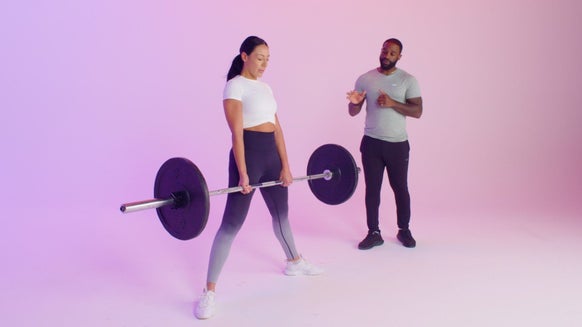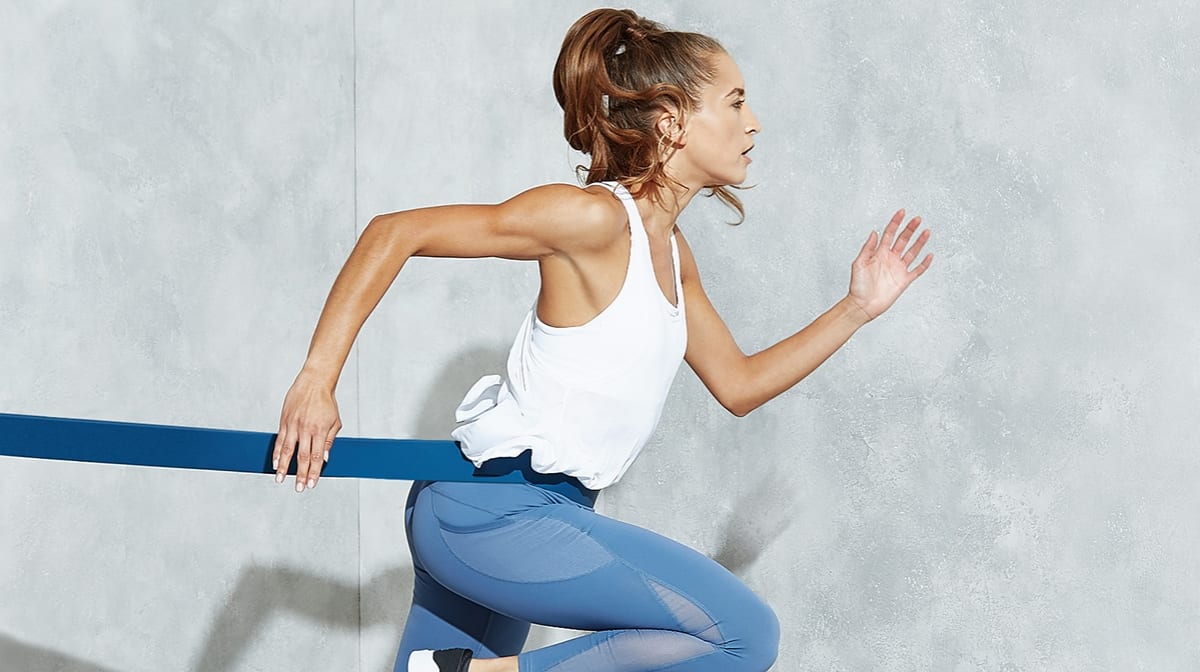
Van zwemmen en rugby tot fietsen, er zijn tal van manieren waarop we je kunnen helpen om het beste uit je lichaam te halen ‐ of we nu je duikstart of je van kracht voorzien. Ongeacht je niveau, met de juiste brandstof in de tank, ben je klaar voor succes.
Laten we duidelijk zijn ‐ er is geen magisch supplement dat je van 2e divisie naar het kampioenschap brengt, en niets kan de toewijding aan training, een gezond, uitgebalanceerd dieet en een goede nachtrust vervangen. Maar, als dit naast al deze dingen wordt gebruikt, zijn de juiste supplementen zeker een welkom zetje in de richting van die man van de wedstrijdprijs.

THE Pre‐Workout +
We willen allemaal sterk beginnen. THE Pre‐Workout+ maakt deel uit van ons nieuwste trio van PhaseTech ™ ‐innovaties ‐ de volgende generatie sportvoeding.
Het is een sterke mix gemaakt met een exclusief beadlet bezorgsysteem ‐ dit geeft een tweefasen boost van energie die vanaf dat je begint, tot het laatste fluitsignaal zal duren.
Vergeet het proberen om een pre‐match koffie naar binnen te krijgen, de cafeïne die hierin zit, geeft je de drukte zonder gedoe. Het is een supereffectief ingrediënt waarvan studies hebben aangetoond dat het vermoeidheid kan vertragen1, het vermogen verhoogt,2 verbetert en de concentratie verbetert3 ‐ perfect om je opgepompt en klaar te maken voor elke sport.
Als je een beetje op je hoede bent voor cafeïne‐kriebels, maak je geen zorgen ‐ daar hebben we ook aan gedacht met het aminozuur L‐theanine, waarvan is aangetoond dat het psychologische en fysiologische stressreacties vermindert.4
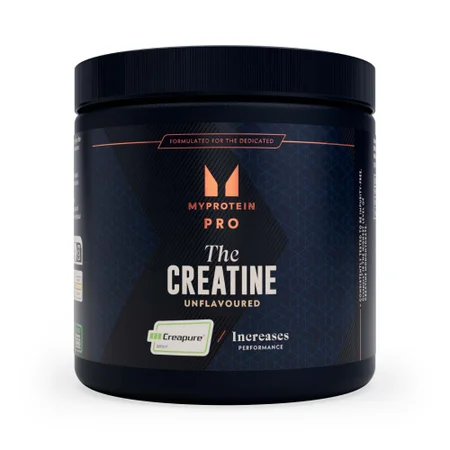
Creatine
Er is uitgebreid onderzoek gedaan naar het gebruik van creatinesupplementen in sport en het is bewezen dat het de fysieke prestaties verbetert in opeenvolgende sets van kortdurende, intensieve training.5
In een studie uitgevoerd met voetballers in het Journal of Sports Sciences, bleek creatinesuppletie het spiervermogen te vergroten, vooral tijdens intense sprintoefeningen.6
Een andere studie, dit keer met 18 mannelijke en vrouwelijke wedstrijdzwemmers, vond dat de groep die creatine kreeg in de loop van negen trainingsdagen significant sneller zwommen, met een significant verminderde zwemtijd in hun 100 m sprints, in vergelijking met de groep die een placebo kreeg.7
Dus, of je nu thuis bent op het veld of op de renbaan, stel creatine op de proef voor je eigen discipline ‐ we hebben een reeks hoogwaardige supplementen waar je uit kunt kiezen, van superhandige Creatine Monohydrate‐tabletten, tot fijn micronised Creapure® poeder.
Caffeine Pro™
Deze zijn geweldig om altijd bij de hand te hebben wanneer je een opkikker kan gebruiken‐ en ze komen zonder de calorieën van een melkige latte koffie. Bewezen dat vermoeidheid wordt vertraagd1 en dat atleten langer kunnen trainen met meer kracht,2 is cafeïne een echt belangrijk ingrediënt vóór de training om je te helpen je prestaties op gang te brengen.
Instant Oats
Een geweldige manier om je dag goed te beginnen of om snel bij te tanken na een dag op het werk – van Instant Oats kan altijd en overal worden genoten voor een gemakkelijke aanvoer van koolhydraten, die je lichaam nodig heeft voor voldoende energie.
Ze bevatten weinig suiker, veel vezels en bevatten 11 gram eiwit per portie, wat helpt om te groeien en spiermassa te behouden – en je ondersteunt tijdens trainingssessies.
THE Amino +
Een ander supplement van onze premium PhaseTech ™ ‐collectie, THE Amino +, zal helpen om je hersteltijd en je stemming te verbeteren ‐ wat vooral handig kan zijn als je merkt dat je aan de verliezende kant bent.
Het mengsel bevat 6 gram BCAA's per portie, wat essentiële aminozuren zijn die je lichaam niet zelf kan aanmaken. Ze zijn een geweldige ondersteuning voor je spieren tijdens training, omdat bewezen is dat ze de snelheid van eiwitsynthese verhogen, terwijl ze ook de snelheid van proteïnedegradatie in rustende menselijke spieren verlagen.8
We hebben ook glutamine toegevoegd. Dit is een aminozuur dat een sleutelrol speelt in eiwitsynthese en spiercontractie.9
Met behulp van onze unieke PhaseTech ™ korrels zijn al deze aminozuren ingekapseld in een gefluïdiseerde coating ‐ waardoor de vertering wordt afgeremd om je langere toevoer te bieden, in plaats van één piek bij de rust.
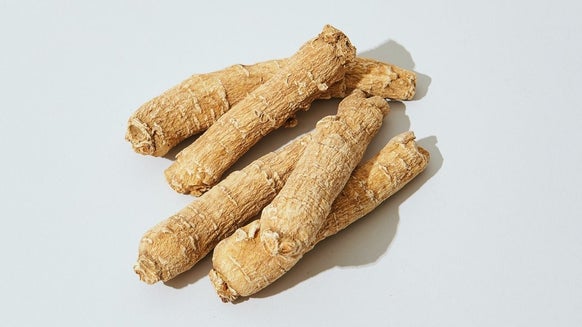
De opwindende bonus komt van de toevoeging van Ashwaganda. Dit is een natuurlijk kruid dat al lang wordt gebruikt in traditionele remedies en steeds meer gebruikt begint te worden in sportvoeding vanwege zijn ontstekingsremmende, anti‐stress en antioxiderende eigenschappen.10
Electrolytenpoeder
Gehydrateerd blijven is essentieel voor elke sport of oefening. En als je je in het zweet werkt, zijn het niet alleen je waterstanden die moeten worden bijgevuld ‐ je verliest ook belangrijke elektrolyten.
Deze zijn nodig in het lichaam om elektrische energie te leveren voor allerlei belangrijke functies, waaronder onze zenuwreacties en spierfunctie.11 Ons electrolytenpoeder is een mengsel van vier essentiële elektrolyten ‐ natrium, kalium, calcium en magnesium ‐ en het is supergemakkelijk toe te voegen aan water of sap voor een verfrissend middagsessie drankje.
Energie Elite ™
Of je nu halverwege een kwalificatiewedstrijd bent, of ver bezig met je halve marathon ‐ je hebt een snelle energie boost nodig om je batterijen op te laden met minimale moeite.
Onze Energie Elite ™ ‐sachets zijn perfect om langs de zijlijnen op je te wachten, omdat je nauwelijks hoeft te pauzeren om ervan te genieten. Er is geen mix of voorbereiding vereist, slechts een simpele scheur en je kunt de gel recht in je mond knijpen.
Geladen met 25g snel verteerbare koolhydraten, zijn ze een oplossing voor het aanvullen van spierglycogeenvoorraden die niet zwaar op de maag zullen vallen. Bovendien hebben ze een elektrolytenmengsel om de essentiële zouten die je verliest door zweet te vervangen, samen met een vitamine B‐matrix om vermoeidheid en uitputting te verminderen.12
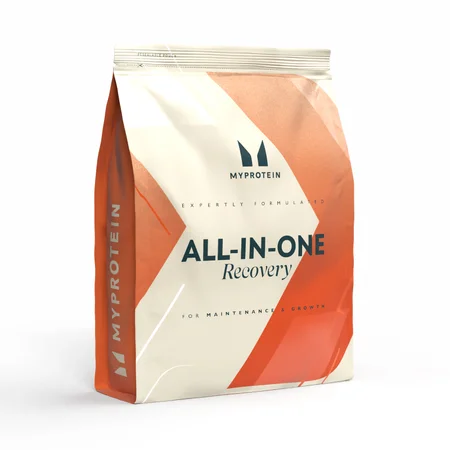
Recovery XS
Studies hebben aangetoond dat supplementen die koolhydraten en eiwitten combineren, het meest effectief zijn in het aanvullen van spierglycogeen na inspanning,13 en dat is precies waarom deze high‐impact blend deel moet uitmaken van je cool‐down‐routine.
Recovery XS is verpakt met 28 g eiwt per 100 g, samen met 47 g koolhydraten van maïszetmeel en maltodextrine ‐ ideaal voor ondersteuning van spierherstel.
We hebben ook de essentiële aminozuren, L‐leucine en L‐glutamine, opgenomen die essentieel zijn voor de synthese van spiereiwitten en die kunnen helpen spierbeschadiging te verminderen.9,15,16
THE Whey +
Dit ultieme proteïnepoeder is precies waar je lichaam naar op zoek is nadat je op het veld of op de baan je lichaam op de proef hebt gesteld.
THE Whey + is onze premium mix van het zuiverste whey‐isolaat met GroPlex ™ ‐ een dynamische combinatie van snel en langzaam verteerbaar eiwit ‐ voor een shake die zorgt voor een aanhoudende bevoorrading proteïne, samen met een instant‐hit om de spiergroei te activeren.
Bovendien hebben we ook onze unieke fase‐afgiftekorrels van BCAA, leucine en glutamine opgenomen, die het herstel optimaliseren.8,9,16 Hiermee kom je in een mum van tijd weer terug.
Blessurepreventie
Het klinkt misschien voor de hand liggend, maar het verzorgen van je lichaam is een eenvoudige stap die je kunt nemen om je sportprestaties te verbeteren.
Trainen en sport kan je lichaam zwaar belasten, vooral je gewrichten en botten, ongeacht je leeftijd. Bescherm je tegen ernstige verwondingen of een vroege afhankelijkheid van een wandelstok en probeer deze supplementen eens:
Glucosamine HCL & chondroïtine
Natuurlijk voorkomend in het lichaam, zijn glucosamine en chondroïtine beide componenten van kraakbeen, die de gewrichten absorbeert en de gewrichten bedekt wanneer je beweegt.
Er zijn onderzoeken geweest die aantonen dat het gebruik van glucosamine en chondroïtine symptomen van osteoartrose bij de knie kan verlichten18 en in één studie vertoonden ook patiënten met matige tot ernstige kniepijn die chondroïtine namen een significante verbetering van de zwelling van het kniegewricht19, dus probeer die pijn te bestrijden met onze Glucosamine HCL & Chondroitin‐tabletten.
Calcium en magnesium
Deze twee essentiële mineralen kunnen een zeer waardevolle trainingsondersteuning zijn omdat ze allebei een belangrijke rol spelen in de normale spierfunctie en nodig zijn voor de gezondheid van de botten. Magnesium is ook betrokken bij de normale eiwitsynthese, waardoor deze handige tabletten perfect zijn om spiermassa te herstellen.3
Dagelijkse vitamins
Genoeg van je vitamines binnen krijgen is enorm belangrijk voor je algemene gezondheid en je sportprestaties, omdat ze betrokken zijn bij veel belangrijke functies in het lichaam, zodat je weer fit en gezond kunt trainen.
Onze Daily Vitamin tabletten zijn een snelle en handige manier om ervoor te zorgen dat je de aanbevolen dagelijkse inname bereikt voor zeven essentiële vitaminen ‐ ter ondersteuning van je immuunsysteem, zenuwstelsel en metabolisme.3
Plus, vitamine C en E zijn beide antioxidanten, wat betekent dat ze kunnen helpen om ontstekingen te verminderen na zware lichamelijke inspanning. Een studie in de sportgeneeskunde over de rol van antioxidantvitaminen bij de preventie van door inspanning geïnduceerde spierschade concludeerde dat deze vitamines kunnen worden aanbevolen aan mensen die regelmatig zware oefeningen doen.15
Compressiekleding
Je zou in de verleiding kunnen komen om eerst een comfortabele joggingbroek en een hoodie aan te trekken na een zware match, maar geloof ons, compressiekleding kan veel meer voor je herstel betekenen.
Hoogwaardige compressiekleding oefent druk uit die helpt de bloedcirculatie te verbeteren, de spieren warm te houden en de bloedstroom te verhogen. Dit kan helpen verlichting te bieden van ontsteking of een opeenhoping van melkzuur.
Een studie in de Journal of Sports Medicine en Physical Fitness wees uit dat weefseloxygenatie bij een groep sporters significant hoger was in degenen die compressiebroek droeg vergeleken met degenen die dat niet deden17, dus het is wellicht de moeite waard om je kledingkast bij te werken.

- Graham, T., Rush, J. and Soeren, M. (1994). Caffeine and Exercise: Metabolism and Performance. Canadian Journal of Applied Physiology, 19(2), pp. 111-138.
- Graham, T. (2001). Caffeine and Exercise. Sports Medicine, [online] 31(11), pp.785-807.
- Directorate General Health and Food Safety.
- Kimura, K., Ozeki, M., Juneja, L. and Ohira, H. (2007). L-Theanine reduces psychological and physiological stress responses. Biological Psychology, 74(1), pp.39-45.
- Volek, J. S., Kraemer, W. J., Bush, J. A., Boetes, M., Incledon, T., Clark, K. L., & Lynch, J. M. (1997). Creatine supplementation enhances muscular performance during high-intensity resistance exercise. Journal of the American Dietetic Association, 97(7), 765-770.
- Hespel, P., Maughan, R. J., & Greenhaff, P. L. (2006). Dietary supplements for football. Journal of Sports Sciences, 24(07), 749-761.
- Grindstaff, P. D., R. B. Kreider, R. Bishop, et al. Effects of creatine supplementation on repetitive sprint performance and body composition in competitive swimmers. Int. J. Sport Nutr.7:330-346, 1997.
- Blomstrand, E., Eliasson, J., Karlsson, H. K., & Köhnke, R. (2006). Branched-chain amino acids activate key enzymes in protein synthesis after physical exercise. The Journal of nutrition, 136(1), 269S-273S.
- Higashiguchi, T., Hasselgren, P. O., Wagner, K., & Fischer, J. E. (1993). Effect of glutamine on protein synthesis in isolated intestinal epithelial cells.Journal of Parenteral and Enteral Nutrition, 17(4), 307-314.
- Mishra, L. C., Singh, B. B., & Dagenais, S. (2000). Scientific basis for the therapeutic use of Withania somnifera (ashwagandha): a review. Alternative medicine review, 5(4), 334-346.
- Magnesium contributes to electrolyte balance. Calcium contributes to normal muscle function and neurotransmission. Potassium contributes to normal muscle function and normal function of the nervous system.
- Vitamin B contributes to the reduction of tiredness and fatigue.
- Ivy, J. L., Goforth Jr, H. W., Damon, B. M., McCauley, T. R., Parsons, E. C., & Price, T. B. (2002). Early postexercise muscle glycogen recovery is enhanced with a carbohydrate-protein supplement. Journal of Applied Physiology, 93(4), 1337-1344.
- Carbohydrates contribute to the recovery of normal muscle function after highly intensive and/or long lasting physical exercise leading to muscle fatigue and the depletion of glycogen stores in skeletal muscle. The beneficial effect is obtained with the consumption of carbohydrates, from all sources, at a total intake of 4 g per kg body weight, at doses, within the first 4 hours and no later than 6 hours, following highly intensive and/or long-lasting physical exercise leading to muscle fatigue and the depletion of glycogen stores in skeletal muscle.
- Dekkers, J. C., van Doornen, L. J., & Kemper, H. C. (1996). The role of antioxidant vitamins and enzymes in the prevention of exercise-induced muscle damage. Sports medicine, 21(3), 213-238.
- Anthony, J. C., Anthony, T. G., & Layman, D. K. (1999). Leucine supplementation enhances skeletal muscle recovery in rats following exercise. The Journal of nutrition, 129(6), 1102-1106.
- Bringard, A., Denis, R., Belluye, N., & Perrey, S. (2006). Effects of compression tights on calf muscle oxygenation and venous pooling during quiet resting in supine and standing positions.Journal of sports medicine and physical fitness, 46(4), 548.
- Philippi, A. F., Leffler, C. T., Leffler, S. G., Mosure, J. C., & Kim, P. D. (1999). Glucosamine, chondroitin, and manganese ascorbate for degenerative joint disease of the knee or low back: a randomized, double-blind, placebo-controlled pilot study. Military medicine, 164(2), 85-91.
- Hochberg, M. C., & Clegg, D. O. (2008). Potential effects of chondroitin sulfate on joint swelling: a GAIT report. Osteoarthritis and cartilage, 16, S22-S24.